



Vietnamese overseas player and naturalized athlete unexpectedly disappears in Vietnam's Second Division league


The 2026 National Second Division permits registration of naturalized players and overseas Vietnamese, but the majority of clubs continue to exclude this category from their entry lists.
The 2026 National Second Division is set to commence but a notable detail is the almost complete absence of naturalized players and overseas Vietnamese athletes. Despite regulations being more open compared to previous seasons, most participating clubs have not selected players from this group in their preliminary registration lists.
On March 10 morning, the Vietnam Football Federation (VFF) conducted the draw and scheduled matches for the 2026 National Second Division. This season features 14 teams, divided into two zones: North–Central and South. Teams will compete in a double round-robin format with home and away matches to determine rankings in the group stage.
According to the schedule, the first half of the group stage runs from March 24 to April 25, while the second half is held from May 6 to June 7. After the group stage concludes, the top two teams from each zone advance to the finals from June 13 to 16 to compete for promotion spots. Meanwhile, the bottom two teams in each zone will drop to compete in the Third Division in the following season.
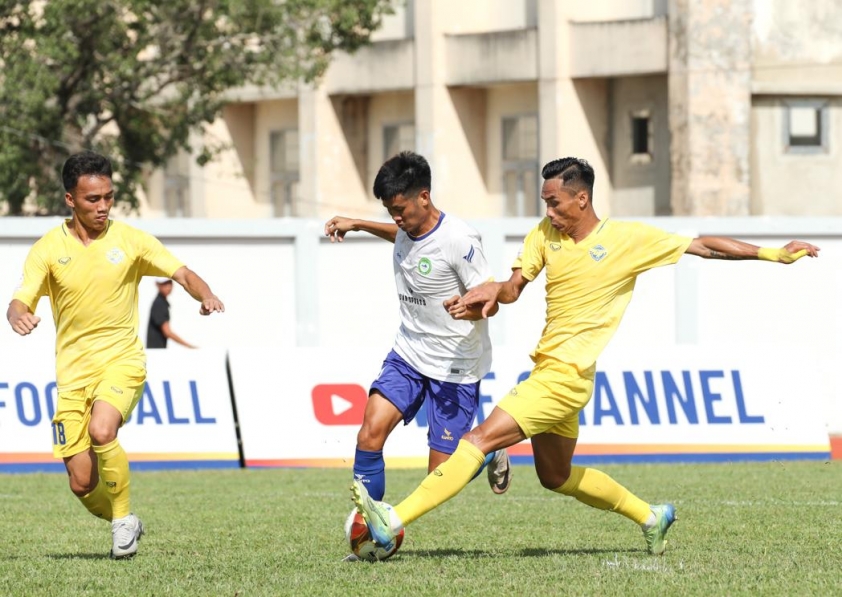
A new feature of the 2026 season is that VFF allows clubs to register naturalized players and overseas Vietnamese athletes again after several years of not applying this rule. Regulations permit each team to register up to one foreign-origin Vietnamese player and two Vietnamese-origin foreign players. However, reality shows this rule has not yet brought significant changes to clubs' personnel strategies.
Based on preliminary registration lists submitted by clubs to the organizers, very few teams use overseas Vietnamese players, and almost no team registers naturalized players. The main reason is that clubs prioritize giving playing opportunities to domestic young players. Additionally, many naturalized players either do not meet professional requirements or their compensation demands exceed the financial capabilities of Second Division clubs.
Another reality is that most naturalized and overseas Vietnamese players currently tend to seek playing opportunities in professional leagues like V-League or the National First Division. Hence, their presence in the Second Division remains quite rare. This season, the top two teams will receive 250 million VND in prize money, and along with the third-placed team, earn promotion rights, following clubs like Quảng Ninh, Văn Hiến University, Bắc Ninh, and Gia Định – names that promoted in the 2025 season.


Wonderfulshortvideo
Zidane highlights zidane edit zidane real madrid


 Links
Links
 Contact
Address:123
Number:+123
E-mali:i123@gmail.com
 App
App